
Pets communicate constantly through body language, vocalizations, and actions—but understanding what drives these behaviors can be challenging. By exploring the science behind pet behavior, you can improve training, strengthen your bond, and create a happier, healthier environment. In this guide, we’ll explain common behavior patterns, show how tools like Pet Training & Behavior products, Pet Leashes & Collars, and Pet Grooming Products influence behavior, and provide actionable tips for daily routines.
Key Drivers of Pet Behavior
1. Environment and Routine
Pets thrive in predictable settings. Sudden changes in environment, routine, or social interactions can trigger stress or anxiety.
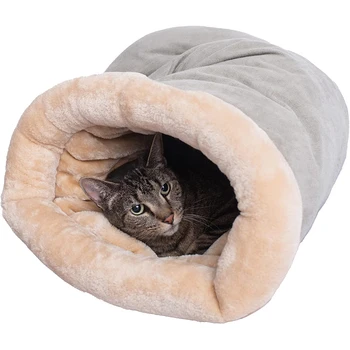
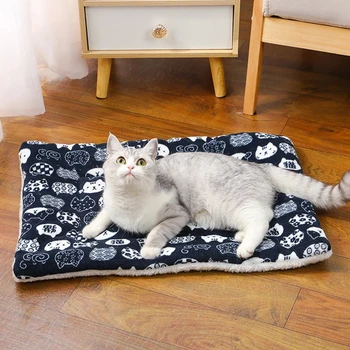
Tip: Use consistent daily routines and provide a comfortable space with Pet Apparel & Accessories, such as cozy beds or anxiety wraps, to help pets feel secure.
2. Physical Comfort and Health
Discomfort often manifests as irritability or unwanted behaviors. Common causes include:
- Matted fur or skin irritation (Pet Grooming Products)
- Joint or digestive discomfort (Pet Health & Wellness (Non-Digestible) supplements)
- Dirty living spaces (Pet Cleaning & Hygiene)
Example: A dog with an itchy coat may scratch excessively or become restless. Regular grooming and health monitoring reduce these behaviors.
3. Training and Reinforcement
Behavior is heavily influenced by consistent training. Pet Training & Behavior products, like clickers, treat dispensers, and structured reward systems, help reinforce desirable actions and discourage negative habits.
Pro Tip: Short, consistent sessions are more effective than occasional long sessions.
4. Social Interaction
Pets are social animals, and interactions with humans, other pets, and the environment shape behavior. Positive exposure during walks, playtime, and outings encourages confident, well-adjusted behavior.
Tip: Use a secure Pet Leash & Collar and appropriate Pet Outdoor Gear for safe exploration and socialization.
5. Stress and Anxiety Management
Stress can result in behaviors like barking, chewing, or hiding. Tools like Pet Apparel & Accessories (calming vests) and safe carrier spaces (Pet Travel & Carriers) help pets feel secure. Environmental adjustments, regular enrichment, and physical comfort all contribute to reducing anxiety.
Practical Applications
- Observe your pet daily and note triggers for unwanted behavior.
- Incorporate structured training with Pet Training & Behavior aids.
- Maintain grooming and hygiene routines to prevent discomfort-driven behaviors.
- Provide safe outdoor experiences with Pet Outdoor Gear and controlled walks using Pet Leashes & Collars.
- Monitor health with Pet Health & Wellness (Non-Digestible) products and vet check-ups to address underlying issues.
Understanding pet behavior requires observing emotional, physical, and environmental factors while supporting your pet with appropriate tools. By combining consistent training, grooming, health monitoring, and safe exploration, you can reduce stress, improve behavior, and strengthen your bond.
Share these insights with fellow pet owners, explore our other behavior-focused guides, and subscribe to our newsletter for ongoing tips to help your pet thrive every day.





0 Comments